
Water Heater Repair vs. Replacement: How to Know Which Option Saves You Money
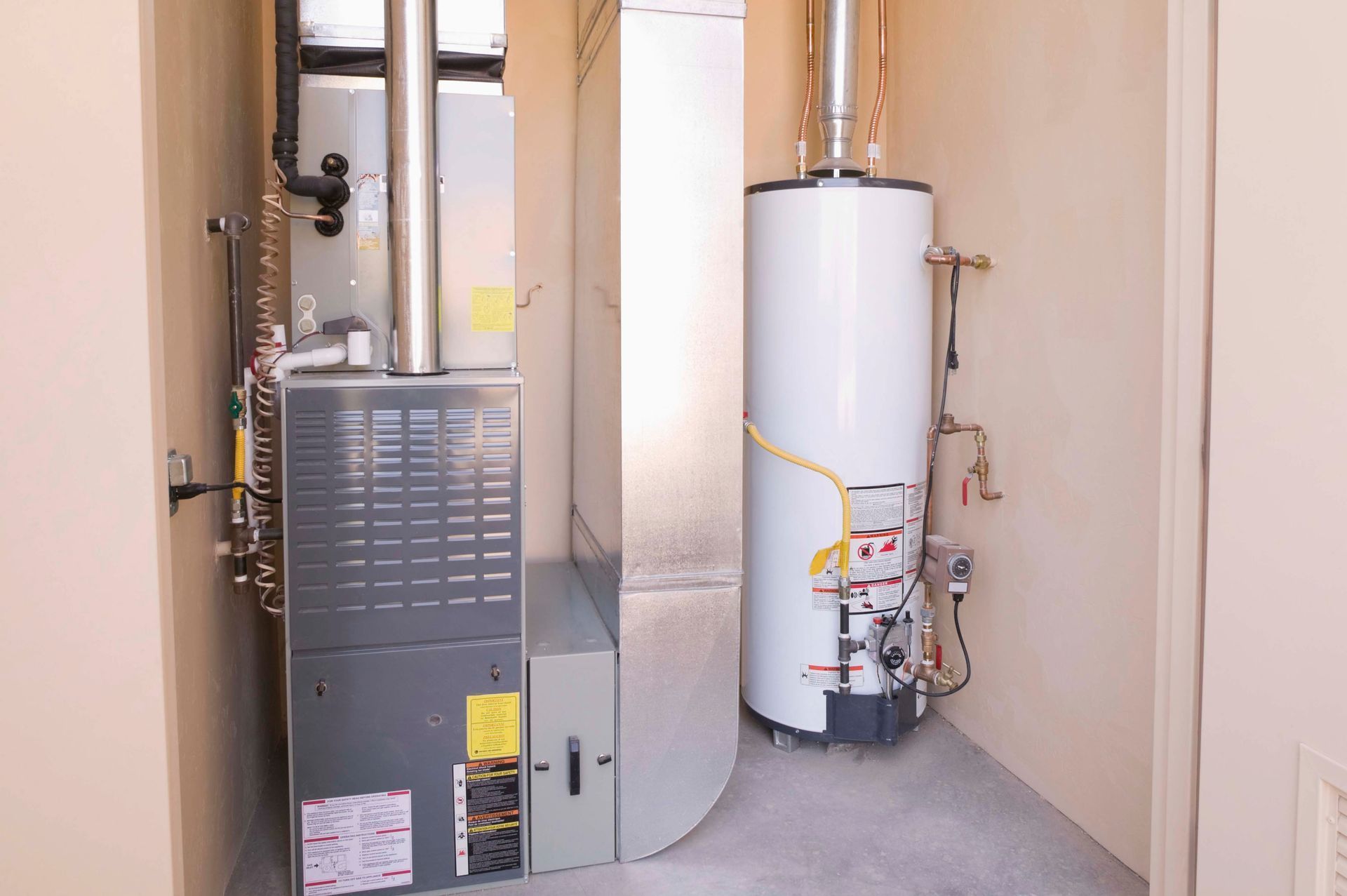
Every homeowner in Englewood, Denver, and Aurora eventually faces the same question. When your water heater starts acting up, should you schedule water heater repair or consider a full water heater replacement to prevent ongoing issues and unnecessary expenses?
It is an important decision because both options impact comfort, safety, and long-term energy costs. A simple water heater repair might solve the immediate problem, but some systems require more than short-term fixes. On the other hand, replacing a unit too early can lead to unnecessary spending.
This guide helps you choose wisely by comparing the true costs, benefits, and long-term value of water heater repair versus full water heater replacement. With clear insights and support, you will know exactly which choice protects your home and wallet.
Understanding the Lifespan of Modern Water Heaters
Before comparing repair and replacement, homeowners in Englewood, Denver, and Aurora need to understand how long a typical unit lasts. Most tank-style heaters operate effectively for eight to twelve years. Tankless models may last fifteen to twenty years with proper care or timely emergency water heater service when unexpected issues arise.
Once a unit passes the average lifespan, repair frequency increases, energy efficiency declines, and parts begin to fail more often. At this stage, choosing water heater replacement typically offers more long-term savings.
Signs of aging systems include:
- Slow heating cycles
- Reduced hot water capacity
- Rust colored water
- Rumbling noises from sediment buildup
- Rising utility bills
When these issues appear in older systems, replacement becomes a more cost effective option.
When Water Heater Repair Makes Sense
Although replacement is sometimes necessary, many situations call for a more affordable repair. Homeowners in Aurora, Englewood, and Denver benefit from repairs when the issue is minor, isolated, or inexpensive to fix.
1. The Water Heater Is Less Than Ten Years Old
Younger systems usually have plenty of life left. Repairing a thermostat, heating element, or ignition switch often restores full performance at a low cost.
2. The Problem Involves a Single Component
Some repair friendly issues include:
- Faulty temperature sensors
- Loose electrical connections
- Worn heating elements
- Small leaks that come from fittings, not the tank
- Burner issues in gas systems
These repairs cost significantly less than water heater replacement and are completed quickly by a trained technician.
3. There Is No Sign of Structural Damage
If the tank is in good condition and free of corrosion, repairs can effectively extend the system’s lifespan. Once tank damage appears, however, replacement becomes necessary.
4. Energy Efficiency Has Not Declined Dramatically
If energy bills are stable and the unit continues producing consistent hot water, repairing minor issues will usually be the smarter financial choice in Englewood, Denver, or Aurora homes.
When Water Heater Replacement Saves More Money
Some homeowners attempt repeated repairs without realizing that continued spending adds up to more than the cost of installing a new system. The following conditions show when replacement is the wiser decision.
1. The Water Heater Is Over Ten to Twelve Years Old
Older systems lose efficiency and face increased risk of leaks or complete failure. In Colorado’s colder climate, older heaters work harder, wear out faster, and cost more to run. For residents in Aurora, Denver, and Englewood, choosing a water heater replacement at the right time prevents emergencies and saves hundreds of dollars in energy costs.
2. The Tank Shows Signs of Rust or Corrosion
Rust is a major warning sign. Once corrosion spreads, no repair can restore structural integrity. Replacing the unit is the only safe option.
3. Frequent Repairs Are Becoming Normal
If you call a technician more than once a year, the system is no longer reliable. Repair costs add up quickly, and new units offer energy savings that reduce monthly utility expenses.
4. Hot Water Output Is Declining Rapidly
When your household runs out of hot water faster than ever, the tank may have extensive sediment buildup or internal damage. Replacement restores comfort, efficiency, and performance.
Comparing the True Costs of Repair vs. Replacement
Homeowners in Englewood, Denver, and Aurora often choose repairs because they seem cheaper upfront. However, long term costs tell a different story. Below is a practical comparison.
Cost of Water Heater Repair
Most repairs fall within a modest cost range depending on the part that needs work. Repairs are ideal when:
- The unit is not too old
- The issue is isolated
- No structural deterioration is present
The long term savings are smaller because older units still consume more energy and require additional service later.
Cost of Water Heater Replacement
Replacement costs more upfront but delivers value through:
- Lower monthly utility bills
- Higher energy efficiency
- Reliable hot water
- Fewer service calls
- Increased home comfort
Many Denver and Aurora homeowners recover their investment through energy savings within a few years. Modern units also meet updated safety and efficiency standards.
Environmental and Efficiency Benefits of Replacement
Choosing water heater replacement has additional benefits beyond savings.
1. Reduced Energy Consumption
New systems use less gas or electricity, which lowers energy usage throughout Englewood, Denver, and Aurora.
2. Better Temperature Control
New thermostats and heating elements respond faster and provide consistent water temperatures.
3. Fewer Emissions
High efficiency gas units release fewer emissions into the environment, which supports Colorado’s sustainability initiatives.
How Colorado’s Climate Influences Your Decision
Because Englewood, Denver, and Aurora experience colder winters, water heaters must work harder throughout the year. This extra strain shortens the lifespan of older models. When homeowners face winter performance issues, replacement often delivers better long-term reliability, especially when supported by routine plumbing inspections that identify early signs of failure.
Homes with uninsulated basements or garages in Englewood or Aurora face additional challenges. These spaces expose tanks to cold temperatures that accelerate wear, making water heater replacement a smart investment for older systems. Regular plumbing inspections also help prevent unexpected breakdowns by monitoring tank condition, sediment levels, and overall system performance.
Key Questions to Ask Before Making Your Decision
To confidently choose between water heater repair and water heater replacement, ask the following:
- How old is the system?
- Has performance consistently declined?
- Are energy bills rising?
- Is sediment buildup becoming more frequent?
- Have there been multiple repairs in the past year?
- Is the tank showing visible signs of wear?
If several answers point toward long term issues, replacement usually offers the best financial return.
Choosing the Right Option for Your Home in Englewood, Denver, or Aurora
Each Colorado city presents different water quality and temperature considerations. For example:
- Englewood homes often have older basements where cold temperatures affect the tank
- Denver households may experience fluctuating pressure that stresses older systems
- Aurora residents often deal with mineral rich water that increases sediment buildup
These local factors help determine whether repair or water heater replacement offers the greatest value, especially when guided by the best plumber in Englewood who understands the region’s climate, water quality, and system demands.


