Using Light to Highlight Glass Shelves in Retail and Residential Interiors
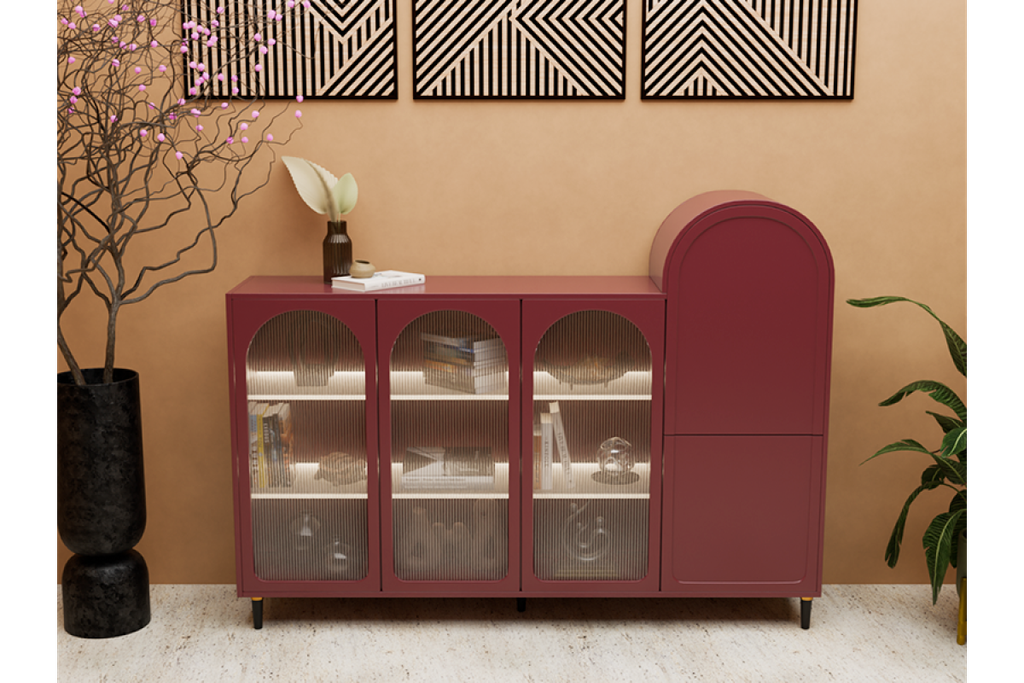
Glass presents a distinctive lighting surface
Glass shelves transmit and reflect light as well as supporting objects. A concealed luminaire can make a polished edge glow, highlight an engraved pattern or illuminate products from beneath. The strongest installations begin by deciding which effect matters most. Edge illumination emphasizes the material itself; directed light helps people inspect items standing on the glass. These effects depend on the panel finish, thickness and fitting position.
Test the effect on the actual glass
Clear polished glass and frosted glass scatter light differently. Tinted panels reduce or change transmitted light, and rough edges can create unexpectedly bright bands. Arrange a sample using the intended glass and luminaire before committing to the cabinet dimensions. Evaluate the shelf with real products or decorative objects in position. A showroom photograph of another installation cannot predict reflections in an entirely different glass assembly.
Distinguish support hardware from the light
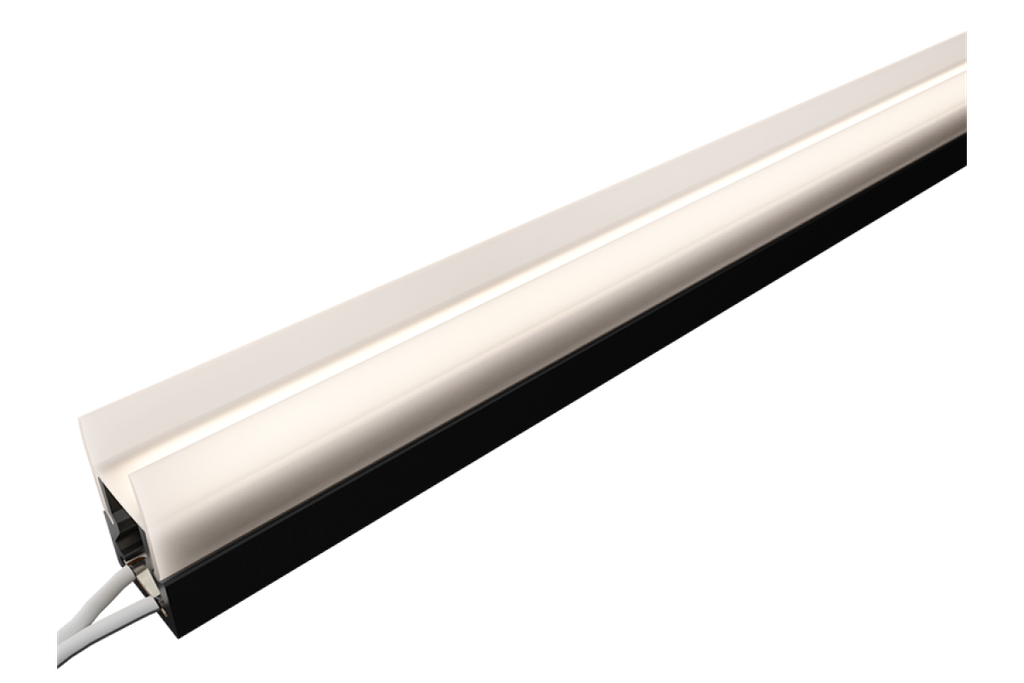
Glass requires a properly engineered support system. A lighting fixture should only carry shelf loads when its product documentation explicitly provides for that role. Luminaires for Glass Shelves is one product category to compare against these installation requirements. Use the specified brackets, gaskets and attachment methods and respect permissible glass dimensions and weight limits. Keep mounting pressure away from vulnerable edges where possible. The cabinet design must remain structurally sound even when the lighting system is being serviced.
Plan illumination for merchandise
Retail displays need a controlled balance between attractive highlights and accurate presentation of goods. A light directed across jewellery, cosmetics or glassware can create crisp reflections but may also cause distracting glare. For opaque products on transparent shelves, consider lighting from above or through a rear channel as well as edge lighting. Move around the finished display to check what a customer sees from different heights and approach angles.
Organise power feeds behind the structure
The transparent character of glass makes exposed cable loops especially noticeable. Feed the lights through side framing, vertical cabinet partitions or discreet rear channels. Keep connectors near the frame and allow enough slack for safe assembly. For multiple shelves, prepare a connection schedule showing which cable serves each level. Concealed wiring should remain accessible through a removable panel or service compartment.
Use dimming to manage reflections
Highly reflective displays can look overlit when every luminaire runs at maximum output. Dimming helps adjust the glass glow relative to the main room light and the objects on display. A lower level often shows etching and polished edges more elegantly than maximum brightness. Select controllers and drivers that match the actual fixtures, and test for smooth dimming and any visible flicker before the cabinet is handed over.
Protect the finish during cleaning
Fingerprint marks and dust scatter light and become conspicuous once an edge is illuminated. Choose a fixture position that allows cleaning access and avoids trapping debris in narrow gaps. Follow the glass and lighting manufacturers’ recommendations for cleaners. Do not spray liquid directly onto electrical connections or compromise protective gaskets. Removable glass panels need a planned disconnection procedure so maintenance does not pull cables from their terminals.
Coordinate colour with the display
Warm lighting emphasizes amber tones, timber cabinets and domestic collections. Neutral white tends to be more versatile for merchandising where faithful product colour matters. Cooler light creates a sharper appearance but should be judged against the interior’s other sources. Check the colour-rendering specification of the actual luminaire where accurate material appearance is important. The best result is consistent across adjacent shelves, not a mixture of unrelated light colours.
Specify the complete illuminated shelf
Luminaires for Glass Shelves offer a useful category for projects that need light integrated close to a transparent panel. Check glass compatibility, fixture dimensions, electrical supply and installation drawings for every model. When support structure, light direction and cable routing are resolved together, glass shelving remains visually light even while illuminated.
Example: a boutique product display
A boutique wants glass shelves that showcase small products while remaining visually unobtrusive. The designer tests a lit shelf with the actual merchandise, because packaging, clear bottles and metallic objects all reflect light differently. Front lighting can illuminate product faces while increasing reflections in glass doors. Edge lighting can make shelf outlines distinctive without adequately lighting opaque products. The solution may combine a dedicated glass-edge effect with a separate diffuse source for merchandise. Brackets and lighting hardware must be specified independently unless a manufacturer confirms their combined structural purpose. The final arrangement is checked from the customer aisle, not only from behind the counter.
Glass preparation and installation sequence
Before fitting luminaires, inspect the shelves for damage and confirm that the selected brackets suit the panel specification. Mark each lighting position and plan cable feeds through the opaque portions of the cabinet. Fit and test electrical connections before placing heavy display items on the shelves. Where removable glass requires electrical disconnection, provide an accessible connection arrangement and clear instructions. The completed shelves should be level, stable and easy to clean. If the lighting creates a visible pattern of reflections, adjust positioning within the product’s permitted installation options rather than bending or forcing the mounting hardware.
How to judge lighting quality
Quality is more than the amount of light coming from the fixture. Examine the continuity of the illuminated edge, the appearance of the products and the comfort of visitors. Look for conspicuous reflections in glass cabinet doors and bright spots where the light enters the panel. Consider whether shoppers can distinguish product colours under the display light. For installations used in daylight, assess the effect under window illumination as well as after dark. Verify that any dimming arrangement works consistently. These observations help select a luminaire that serves both the transparent shelf and the merchandise it is meant to present.
For related furniture and architectural lighting components, the LEDUA https://leduastore.com/ catalogue offers a wider range of fittings, electrical accessories and installation options. Select each component from its actual technical documentation and coordinate the complete assembly before installation.